Google Virtual Try-On Hits Search — Retailers Take Note
Google just made virtual fitting rooms free for every retailer
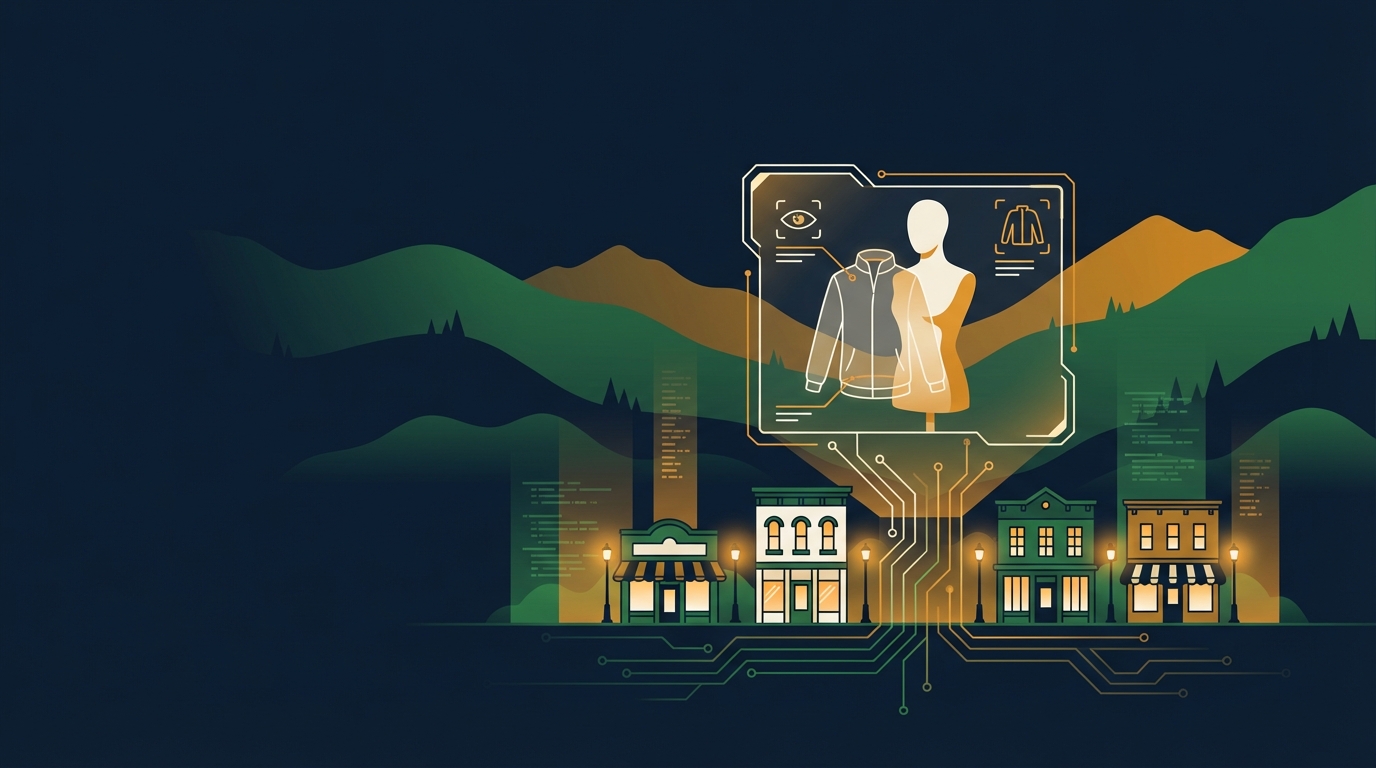
Starting April 30, Google is shutting down its standalone Doppl virtual try-on app and moving the technology directly into Google Search and Shopping results. Any shopper browsing product listings will be able to tap “Try It On” and see how clothes look on a diverse range of AI-generated models — or on their own uploaded photo.
If you sell apparel, shoes, or accessories online and already have a Google Merchant Center feed, this feature rolls out to your products automatically. No app to build. No integration fee. You just need to make sure your product images are ready.
What is happening on April 30
Google launched Doppl as an experimental app that let users create a digital avatar and virtually try on clothes from partner brands. The experiment worked well enough that Google decided the technology belongs inside search itself, not in a standalone app that most shoppers would never download.
Here is what changes:
- Doppl shuts down on April 30, 2026
- Virtual try-on moves into Google Search and Shopping on the same date
- All merchants with eligible shopping feeds are automatically opted in
- Supported categories include tops, bottoms, dresses, and shoes
- No cost to merchants — Google is subsidizing the AI compute
Major brands like L’Agence, Zalando, and Zara are already running AI try-on campaigns with Google. But the real story is that this technology is now available to every retailer with a product feed, including the boutique on Main Street that sells online through Shopify or WooCommerce.
Why this matters for small retailers
Online apparel returns are one of the most expensive problems in retail. The National Retail Federation estimated that consumers returned nearly $850 billion in merchandise in 2025, with online return rates running around 19.3% — far above the in-store average. For fashion specifically, some retailers report return rates pushing 30 to 40 percent.
Every return costs money in reverse shipping, inspection, restocking, and markdowns on items that come back worn or out of season. For a small retailer operating on thin margins, a 30% return rate can be the difference between profit and loss.
Virtual try-on attacks the root cause. According to CNBC’s reporting on AI retail startups, the primary driver of fashion returns and abandoned carts is uncertainty over fit. Startup Catches, which builds “digital twin” try-on technology for luxury brands, reports a 10% conversion increase and 20 to 30 times return on investment for brand partners. When shoppers can see how a garment looks on a body similar to theirs, they buy with more confidence and return less.
Until now, this technology required expensive integrations or partnerships with specialized vendors. Google embedding it directly into search changes the equation. Small retailers get access to the same AI that luxury brands are paying startups to build — and Google is covering the compute cost.
Our take
This is one of the most practical AI developments for small retailers in 2026. Unlike chatbots or AI-generated ad copy, virtual try-on solves a specific, measurable problem: return rates and conversion hesitation.
The bottom line: Google is giving every retailer with a product feed access to technology that was previously reserved for brands with six-figure AI budgets.
There are two things worth watching:
- Image quality will determine results. The AI generates try-on visualizations from your product photos. If your images are low-resolution, poorly lit, or shot on inconsistent backgrounds, the try-on experience will suffer. Retailers with strong product photography will benefit most.
- This advantages retailers who are already in Google Merchant Center. If you sell apparel online but have not set up a shopping feed, you are now missing two layers of visibility — standard Shopping results and virtual try-on. The setup is free through Google Merchant Center, but it does take time to get right.
If you have already been optimizing for Google Shopping — as we covered in our post on Google Shopping ads in AI Mode — you are ahead of the curve. Virtual try-on is another layer on the same foundation.
What you should do before April 30
You have two weeks. Here is a checklist:
-
Verify your Google Merchant Center feed is active. If you do not have one, start with Google’s setup guide. Shopify, WooCommerce, and BigCommerce all have plugins that sync your catalog automatically.
-
Audit your product images. Google’s try-on AI requires product photos with one garment on one full-body, front-facing model in a simple pose. Resolution should be 1024 pixels or higher. If you are using flat-lay photos or lifestyle shots without a clear model view, you will need to reshoot or supplement.
-
Check your product data. Make sure category, size, color, and material attributes are filled out accurately. The richer your product data, the better the AI can match try-on results to the right context.
-
Decide whether to opt in or out. Google opts merchants in by default. If you have reasons to opt out — for example, products that do not translate well to virtual try-on, like heavily textured fabrics — you can contact Google Merchant Center support to exclude specific listings.
-
Monitor your return rate after May. Track whether try-on-eligible products see a change in return patterns. This is the metric that matters most.
The bigger picture
Virtual try-on is part of a broader shift in how Google handles product search. AI Mode already reaches 75 million daily users, and Google is steadily layering AI features into the shopping journey — from conversational product search to visual try-on to AI-generated shopping guides.
For small apparel retailers, especially those in communities where the nearest fitting room might be a 30-minute drive, this technology levels the playing field. A boutique in Lewisburg or a vintage shop in Asheville can now offer shoppers the same try-before-you-buy confidence that major department stores provide in person.
The retailers who will benefit most are the ones who already have strong product photography, clean data feeds, and an active Google Merchant Center account. If that is not you yet, the next two weeks are a good time to start.
Selling apparel or accessories online? See how Appalach.AI helps small retailers compete with AI-powered tools.